
Learning French for Canadian PR is usually described in points and timelines. This story describes it as a person. Sartaj, 22, from India, gave himself a challenge most schools would have refused outright: 3 months to prepare for the TEF and reach the level his permanent residence file needed.
He made it. This is his story, in his own words where it matters, kept intact from our original interview. We add the updated context and the honest caveats that make it useful for your own plan.
One promise before we start: no hype. Sartaj's sprint was exceptional, and we'll be clear about exactly what made it possible, and what the standard road looks like for everyone else.
Why French for Canadian PR Works at All
With two official languages, Canada is one of the world's rare bilingual countries. Keeping the balance between them is national policy. Ottawa actively encourages French speakers to settle in English-speaking provinces, and the tool it uses is points.
As Marion Ziller, a Vancouver immigration consultant, explained in our original interview: in October 2020, Immigration Canada raised the additional points for French-speaking Express Entry candidates from 15 to 25, and for bilingual candidates at CLB 7 from 30 to 50 points.
"Those points can make a huge difference," Ziller told us. "They can be the deciding factor in being invited to apply for permanent residence or not."
Since then the door has opened wider still: IRCC now runs French-language category draws in Express Entry, inviting French speakers at lower CRS scores than general draws. The official Express Entry category rules (opens in a new tab) list French proficiency as a standing category.
In short: strong French can add up to 50 bonus CRS points and open category draws of its own. That's the "why." Sartaj, below, is the "how," and the reminder that behind every point calculation there's a person doing the work.
Who Is Sartaj?
In his own words: "My name is Sartaj, I am 22 years old. I am from India. I love playing sports — soccer, or as they call it in Europe, football — and reading personal growth and development books."
He had dreamed of living abroad since childhood. He grew up on Hollywood movies and European sports alongside his brother, certain he would leave India one day without knowing where to. Canada's bilingual culture was part of what finally drew him here to study.
Why French? A Brother, an Internship, and a Realization
The spark came from family. His brother, dreaming of a move to Europe, took an internship at the Alliance Française and realized French would help him get there. He started lessons, Sartaj joined for a few, and the interest caught.
Then came the practical layer: "After living in Canada for a few years, I realized being fluent in French would also help me obtain my permanent residence. And I became even more determined to learn the language at all costs."
That's a pattern we see constantly: French starts as curiosity and becomes strategy. The love of the language gets you started; the CRS points finish the argument.
It matters for your own plan, too. Students who carry both motives, genuine interest plus a concrete immigration goal, are the ones who keep showing up in month three, when either motive alone tends to wobble.

The Challenge: Three Months to the TEF
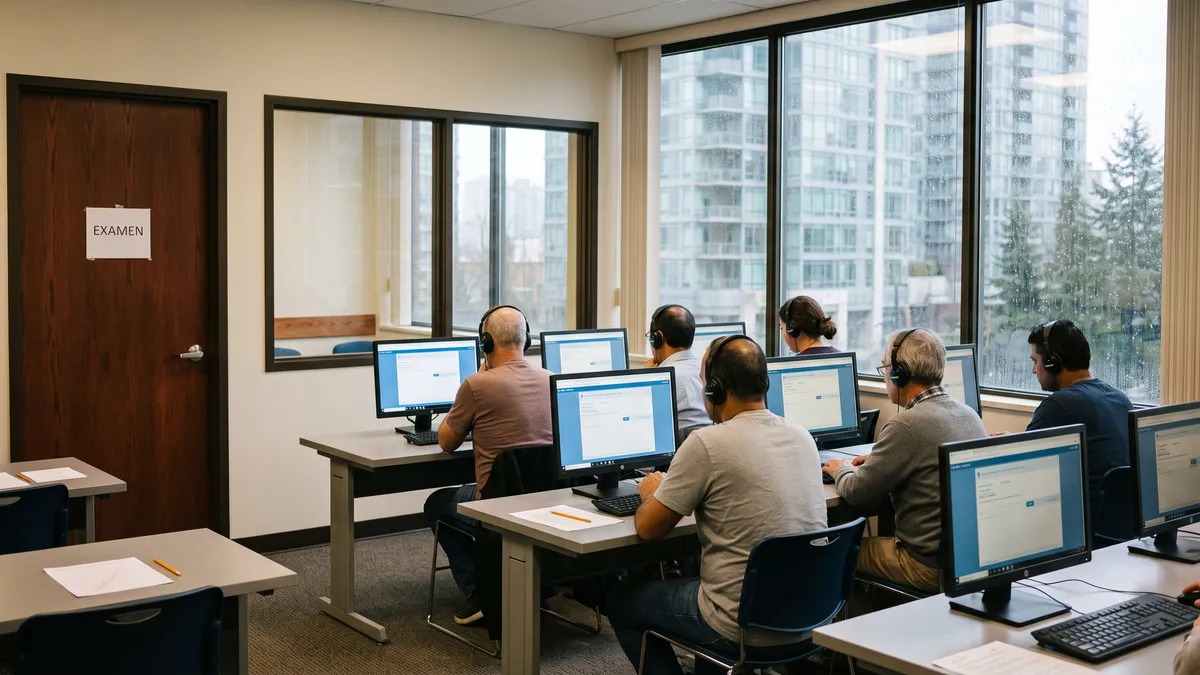
Sartaj needed CLB 5 French to meet the language requirements of his PR pathway, and he gave himself a single summer to get there. In his words: "I gave myself this crazy challenge: learn French and prepare for the TEF exam in only three months!" The TEF, as he'd learned, is the gold standard of French proficiency exams for Canada.
Most schools told him it was impossible. His account of our answer is the part we're proudest of:
"Learn French were the only ones who did not tell me it was straight-up impossible. They were realistic and said it would be hard to succeed in just a few months. But that it would also depend on how much personal work I was ready to put in. I knew I was capable of dedicating time and putting in the work. I decided to take that leap of faith."
He signed up for private classes in June to take the TEF in mid-September. Three months of compressed, teacher-guided, self-disciplined work. "I had to learn a lot in a very short amount of time!"
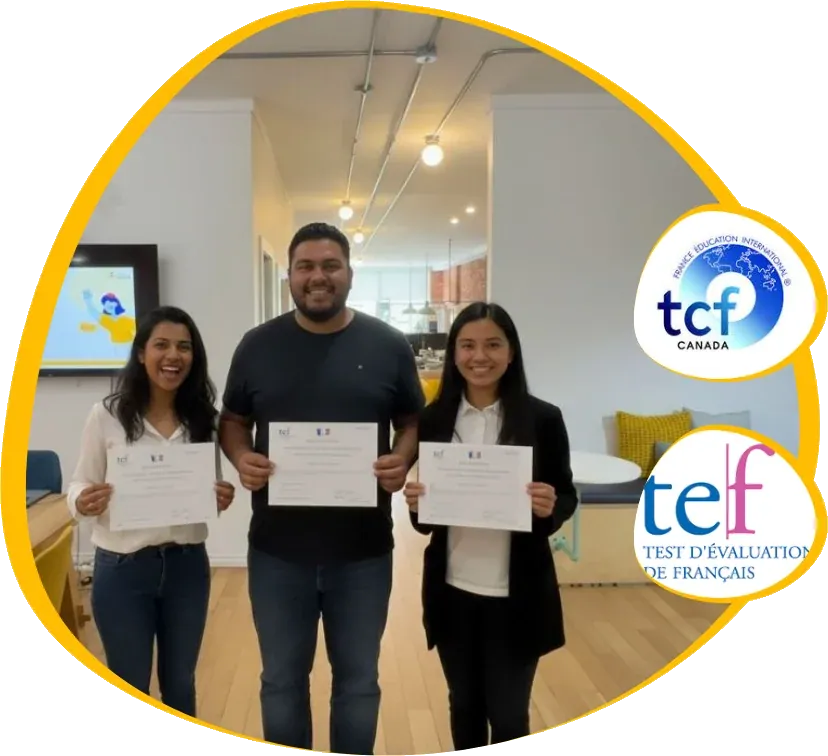
And it worked: "I passed successfully, reaching the level I needed for Permanent Residence!"

The Honest Caveat: What Made the Sprint Possible?
Here's the part a success story owes you, because a story that omits it becomes a trap. Sartaj's three months worked through a rare alignment: private one-on-one classes, prior exposure to French, a ferocious personal work ethic, and a CLB 5 target, not the CLB 7 that Express Entry's biggest points require.
The standard timelines haven't changed: reaching CLB 7 from zero takes 12 months: 6 building foundations, 6 preparing the exam. Sartaj's story isn't proof the timeline is wrong; it's proof of what maximum commitment plus the right support can do at the CLB 5 distance.
"Sometimes thinking back, I realize that if I did not take that leap of faith, I would still be saying to myself 'yes I will learn French someday' and that someday may never have come. So, I am really glad I did."
What Changed After the Exam?
The score got his file approved, but Sartaj is clear that the language gave him more than points. French opened a second culture inside his own city: Radio-Canada on the dial, Francophone meetups, a bilingual line on the resume that Canadian employers notice.
That's the quiet second prize of PR-driven French: the points expire the day you land; the language never does. Students who arrive at PR through French keep an asset the application never asked for: a second working language in a country that runs on two.
And the confidence transfers. A person who learned a language against a deadline knows something permanent about what they can do with three focused months. Sartaj's personal-growth books would approve.
Sartaj's Advice for TEF Candidates
His tips, verbatim: "putting in some hard work, being motivated, staying positive, and always reminding yourself of the end goal." Simple words, and the exact behaviours that separate the students who pass from the students who postpone.
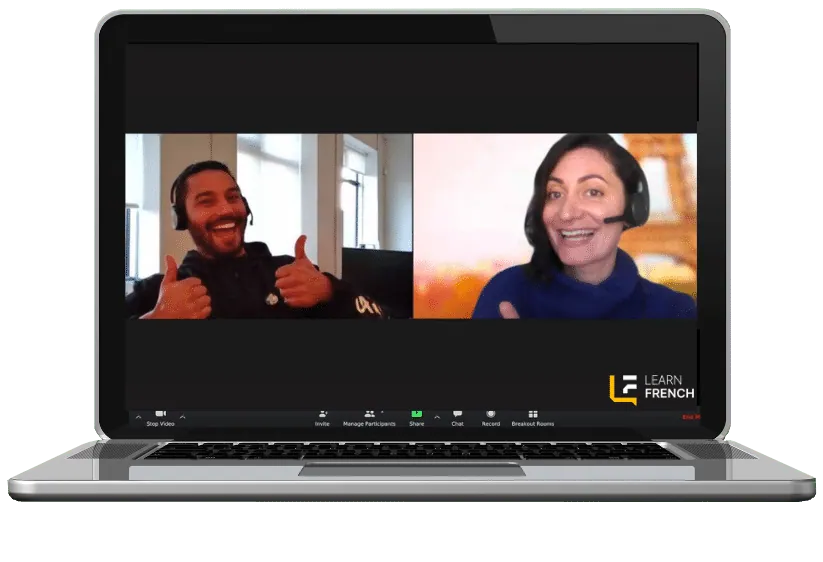
On the speaking section, the one most candidates fear: "Expressing oneself orally is without a doubt the hardest part when it comes to speaking French but with Learn French and my teacher Sophie's help, it was no longer that hard."
That sentence deserves a highlight: the scariest section became "no longer that hard" through practice with a teacher who knew the exam. Fear of Expression Orale is almost universal before preparation and almost always survivable after it.
Unpacked into a checklist:
- Book the exam first. A dated exam on the calendar turns "someday" into a study plan. It's the leap of faith that worked for Sartaj, and it works because retreat gets expensive.
- Get expert guidance early. Teachers who know the TEF marking grid aim your effort where the points are.
- Train speaking hardest. Expression Orale rewards structure and confidence. Both are practicable, neither is optional.
- Protect daily study time. The sprint only works if the "personal work" actually happens between classes.
- Keep the end goal visible. PR isn't an exam score; it's the life that comes after it. Motivation is fuel, and the end goal is where it refills.
For the exam mechanics behind these tips, our TEF Canada preparation guide covers formats, sections, and strategy in full.
What Sartaj's Path Looks Like as a Program
Stories inspire; structures deliver. The route Sartaj improvised under deadline pressure exists today as a structured offering, tested by the thousands of students who came after him:
| Sartaj's move | The program version |
|---|---|
| Private classes, June to September | Private lessons built around your exam date |
| Realistic assessment first | Free level test + honest timeline |
| Exam-focused study | TEF/TCF Prep with mock exams |
| CLB 5 target for PR pathway | Timelines matched to your CLB goal |
Starting from zero with a CLB 7 goal? The French Transformation program is the 6-month foundation stage, with native French teachers from France and Quebec and a maximum of 14 students per class.
Racing a booked exam date like Sartaj did? Private lessons compress the same method around your calendar. And for the exam stage itself, the TEF preparation program is where scores get built, mock exam by mock exam.
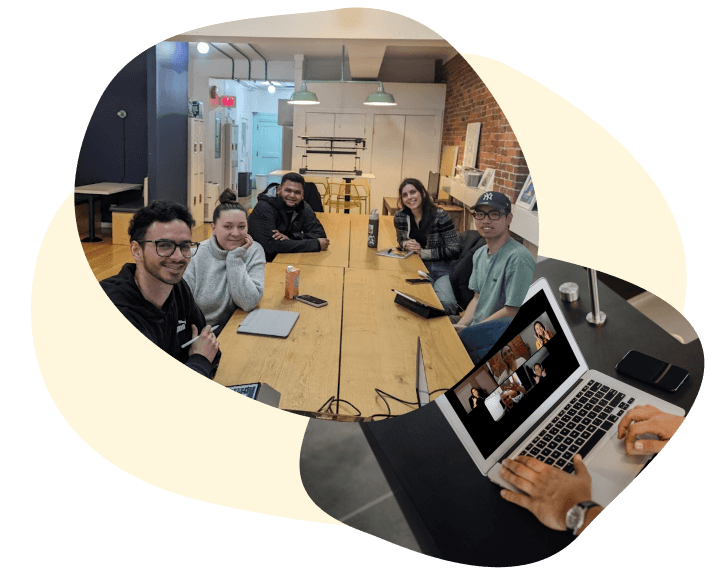
Learn French in Vancouver has taught 4,500+ students since 2017. Sartaj's story is one of the ones we tell because he told it first, and because its shape repeats: a decision, a dated goal, honest support, and the work.
Yours doesn't need to be a sprint like his. It just needs a start date.