French immersion for adults in Vancouver isn’t what most people picture. Forget the childhood classroom with alphabet posters on the wall. Adult French immersion is structured, strategic, and designed around one thing: getting you to speak, read, write, and understand French as efficiently as possible: whether you need it for Canadian permanent residency, your career, or simply because you’ve always wanted to.
Vancouver is one of the best cities in Canada to do it. You’ve got a thriving Francophone community, immersive cultural events year-round, and programs specifically built for adults who are starting from zero or brushing up rusty high-school French.
This guide breaks down what adult French immersion actually looks like in Vancouver, how much it costs, what programs exist, and how to pick the right one for your goals.
What Does French Immersion for Adults Actually Mean?
When people say “French immersion,” they usually mean one of two things. For kids, it’s a full-day school where every subject is taught in French. For adults? It’s a focused learning environment where French is the default language: in class, in practice, in every interaction with your teachers.
True adult immersion isn’t about locking yourself in a cabin in Quebec for six months. It’s about creating an ecosystem of French around your daily life while you keep working, raising your family, and living in Vancouver.
That ecosystem includes:
- Structured classes with native French-speaking teachers who only speak French in class
- Regular practice: two classes per week gives your brain time to absorb between sessions
- Real-world application: practicing at Vancouver’s French cultural events, conversation groups, and Francophone businesses
- Online tools and homework that keep you engaged on non-class days
- Community: a cohort of adults on the same path, at the same level, keeping each other accountable
What most people don’t realize is that research consistently shows spaced repetition outperforms cramming. Two 90-minute sessions per week, combined with daily practice, actually produces better long-term retention than a five-hour daily boot camp. Your brain needs time to consolidate what you’ve learned.
Why Vancouver Is Ideal for Adult French Immersion
Vancouver might not be Montreal, but it has something Montreal doesn’t: a growing Francophone community that’s actively welcoming newcomers. And for adult learners, that matters more than you’d think.
The Francophone Community
British Columbia has over 70,000 Francophones and 300,000+ French speakers. Vancouver’s Francophone community hosts regular events through organizations like the Société francophone de Maillardville, the Alliance Française, and the Centre culturel francophone de Vancouver. These are real opportunities to practice your French outside the classroom.
The Immigration Connection
Let’s be direct: most adults learning French in Vancouver are doing it for Canadian immigration. And that’s a smart move. French proficiency can add up to 50 extra points to your Express Entry CRS score: often the difference between receiving an Invitation to Apply or waiting another year.
Vancouver-based programs understand this. They’re not teaching French for the sake of conversation. They’re preparing you for the TEF or TCF exam, the two tests accepted by IRCC for proving French proficiency. If you’re unsure which exam to take, our TEF vs TCF comparison guide breaks down the key differences.
In-Person + Online Flexibility
Vancouver is one of the few cities in Canada where you can choose between in-person classes (at a real campus, with real classmates) and online classes, or switch between them. That flexibility is critical for working adults. You can attend in-person when your schedule allows and join online when life gets busy.

French Immersion Programs in Vancouver: Your Options
Not every adult learner needs the same thing. Some are starting from absolute zero. Others took French in university ten years ago and need to knock the rust off. Here’s what’s available, and who each option is built for.
The 12-Month Full Immersion Path (Zero Exam Ready)
This is the flagship. The TEF for Beginners program takes you from absolute zero French to TEF/TCF exam ready in 12 months. It’s two programs bundled into one continuous journey:
- Months 1-6: French Transformation (Levels 1-6): build real foundations, grammar, conversation, vocabulary
- Months 7-12: TEF/TCF Prep: 100% exam focused, all four sections, mock exams, timed practice, teacher feedback
Best for: Complete beginners targeting CLB 7 for Express Entry. You want one clear path, no guessing, and a team that’s done this with 4,500+ students before you.
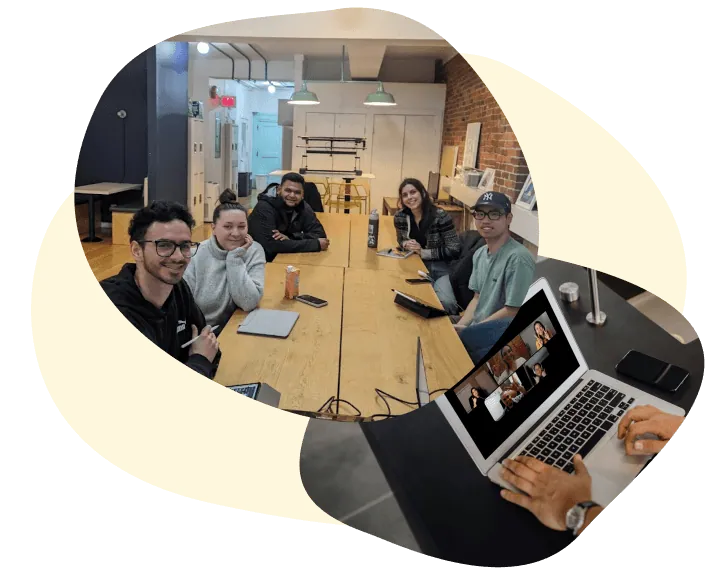
Format: 2 classes per week, 90 minutes each, max 14 students per group. Available both in-person (Gastown, Vancouver) and online.
The 6-Month French Transformation (Build Your Foundation)
Not everyone needs the full 12-month path. The French Transformation covers Levels 1 through 6 and takes you from zero to B1 level: solid conversational French and a strong grammatical foundation.
Here’s what makes it flexible: you can join at any level. Already know basic French? Skip Level 1 and start at Level 3 or 4. You’re not forced to sit through content you’ve already learned.
Best for: Adults who want conversational French for career or personal reasons, students targeting CLB 4-5 (some PNP programs require this), or anyone who wants to test the waters before committing to exam prep.
TEF/TCF Prep (3-6 Months for B1+ Students)
Already speak French at an intermediate level? The TEF/TCF Prep course is pure exam preparation: no time spent on basics you already know. Three to six months of focused work on all four exam sections: Compréhension Orale (listening), Compréhension Écrite (reading), Expression Orale (speaking), and Expression Écrite (writing).
What you get: Real exam simulations under timed conditions, scored by native French teachers who know exactly what TEF and TCF examiners look for.
Best for: B1+ students who need CLB 5 (3 months) or CLB 7 (6 months) for immigration.
Private Immersion (1-on-1 Intensive)
For adults who want the fastest possible results or have scheduling constraints that don’t fit group classes, private French classes offer a fully customized experience. Your teacher adapts every session to your weak points, your learning speed, and your exam goals.
Best for: Professionals with demanding schedules, students who need rapid improvement in a specific skill (like speaking), or anyone who prefers one-on-one attention.
How Much Does French Immersion Cost in Vancouver?
Let’s talk numbers. Transparency matters, especially when you’re making a decision that affects your immigration timeline and budget.
| Program | Duration | Online (Pay in Full) | In-Person (Pay in Full) |
|---|---|---|---|
| TEF for Beginners (Full Path) | 12 months | CA$4,000 | CA$5,000 |
| French Transformation (Foundations) | 6 months | CA$2,160 | CA$2,700 |
| TEF/TCF Prep (Intermediate) | 3-6 months | CA$1,300-$2,500 | CA$1,700-$3,150 |
| Private Classes | Flexible | CA$85/hour | CA$95/hour |
| Self-Study Course | Self-paced | CA$399 | N/A |
A few things worth noting:
- The 12-month program includes 2 months free when you pay in full. That’s the best value per month
- Installment plans are available for all programs 3 months or longer
- Group classes are capped at max 14 students: significantly smaller than most language schools
- All programs include access to online learning materials and homework
When you compare these costs to the potential value, 50 extra CRS points, faster PR processing, access to bilingual job markets where salaries average 7-10% higher, the return on investment is hard to argue with.
Immersion vs. Traditional French Classes: What’s the Difference?
Not all French programs are created equal. Here’s how a genuine immersion-style program differs from a standard language class:
| Feature | Traditional Classes | Immersion Approach |
|---|---|---|
| Teaching language | Mostly English with French vocab | French from day one |
| Class size | 20-30+ students | Max 14 students |
| Teachers | Bilingual Canadians | Native speakers from France & Quebec |
| Goal | General French knowledge | Specific CLB/exam target |
| Practice outside class | Optional homework | Structured practice + community |
| Exam preparation | Not included | Built into the program |
The honest answer? The biggest difference isn’t the classroom. It’s the end-to-end system. A good immersion program doesn’t just teach you French. It gives you a clear path from where you are today to the specific score you need, with teachers who’ve guided thousands of students through exactly the same process.
What Makes Our French Immersion Approach Different
We’re not going to pretend we’re the only French school in Vancouver. But here’s what we know after 7+ years and 4,500+ students: the school you choose matters far less than the system behind it.
Here’s what sets Learn French in Vancouver apart:
- 14 native French teachers: all from France and Quebec. Not bilingual Canadians, not language students. Professional educators who live and breathe French.
- Rated 5.0 stars across 200+ Google reviews: that’s not a handful of curated testimonials, that’s a consistent track record.
- Exam-focused from day one: the program is built around the TEF and TCF.
- Both TEF and TCF preparation: most schools only prepare for one exam. We prepare you for both so you can choose whichever suits your strengths.
- In-person campus in Vancouver + online across Canada: you decide how you want to learn.
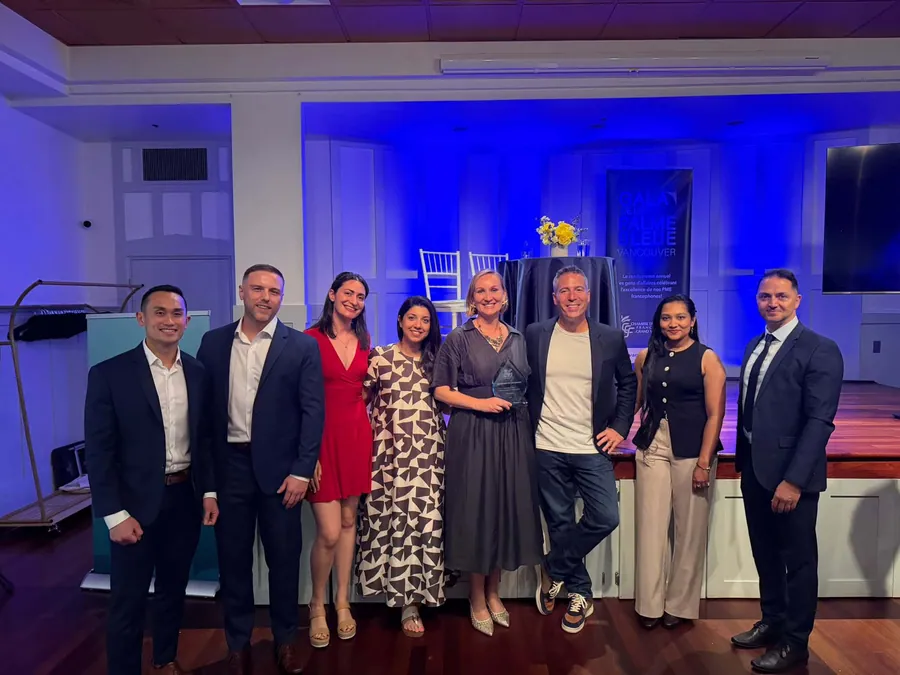
And in June 2026, we were honored to receive the Palme Bleue award from the Chambre de commerce francophone de Vancouver: recognizing Learn French Canada as the fastest-growing French school in the Francophonie. You can read the full story behind our Palme Bleue recognition here.
This recognition isn’t just a trophy on a shelf. It’s proof that the system works: thousands of students achieving their French goals, earning their PR points, and building new lives in Canada.
Real Results: What Students Achieve Through French Immersion
Numbers tell the story better than promises:
- 12 months: average time for a complete beginner to reach CLB 7 (the score most Express Entry programs require)
- 6 months: time to build a solid B1 foundation through the French Transformation program
- 3-6 months: time for intermediate students (B1+) to get exam-ready through TEF/TCF Prep
- 50 CRS points: what French proficiency at CLB 7+ adds to your Express Entry profile
What most people don’t realize is that French isn’t just about immigration points. Canada’s bilingual job market pays a measurable premium. According to Canadian labour data, bilingual employees earn 7-10% more on average than their unilingual counterparts, with the gap widening significantly in federal government positions and industries like banking, healthcare, and law.
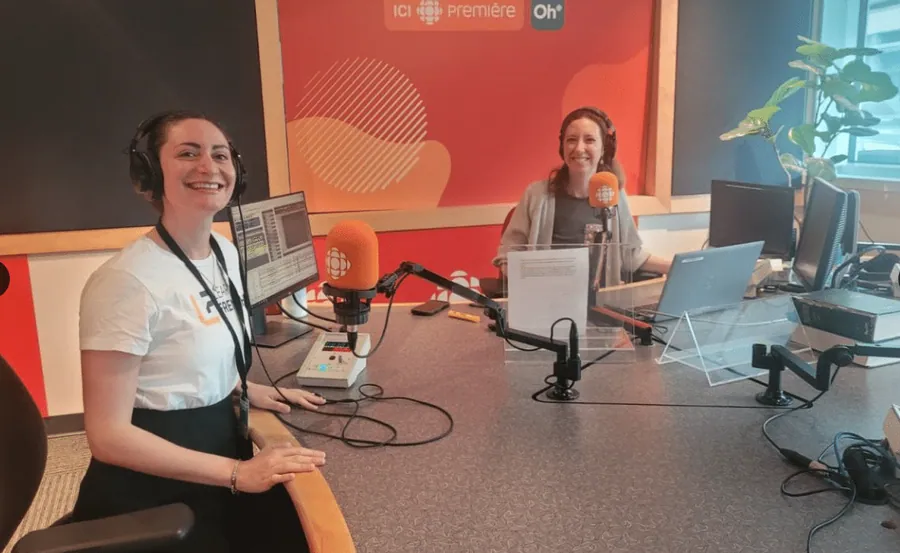
Our students don’t just pass exams. They go on to use French in their careers, their communities, and their daily lives. When Radio-Canada featured Learn French in Vancouver on ICI Première, it showed what this kind of immersive French education does for real people across the country.
How to Start Your French Immersion in Vancouver
Getting started is simpler than you think. Here’s the process:
Step 1: Figure out your starting level. If you’ve never studied French, you’re Level 1. If you have some background, take a quick placement assessment to find the right entry point. You don’t want to waste time reviewing material you already know.
Step 2: Choose your program. Starting from zero and need CLB 7? The 12-month path is your best bet. Already intermediate? Jump straight into TEF/TCF Prep. Want flexibility? Start with private classes.
Step 3: Pick your format. In-person in Vancouver, online from home, or a mix of both. Classes run Monday through Thursday, with online sessions starting at 3:30 PM, 5:15 PM, or 7:00 PM Vancouver time.
Step 4: Show up. This is the part that matters most. Two classes per week, consistent practice between sessions, and a willingness to make mistakes. That’s the formula.
Not sure which option is right? Text or WhatsApp us at +1-778-800-5592 and we’ll help you map out the right path based on your goals, timeline, and budget.