


Is learning French worth it for PR if you live in Victoria? You have probably heard that French can boost your chances at Canadian Permanent Residency. You are right to ask the follow-up questions before committing a year: how many points exactly, how much time really, and can you prepare properly from the Island?
Let's break it down clearly, without hype and without unrealistic promises. That was the promise of our original guide, and this expanded version keeps it.
The short answer up front: for most competitive PR candidates, yes. French is the strongest remaining lever once education, age, and English scores are set. The rest of this guide is the honest math.
Why French Can Make a Real Difference for PR in Victoria
Victoria is full of skilled workers, international graduates, and temporary residents who want to settle permanently. As immigration pathways grow more competitive, standing out is no longer optional.
The uncomfortable truth: most competitive candidates have already maxed the same levers. Strong IELTS, a Canadian degree, skilled work experience: these no longer set you apart, because everyone in the pool has them.
French is one of the strongest differentiators available because it can:
- Add additional CRS points under Express Entry, on top of your English scores
- Qualify you for French-speaking immigration streams and category draws
- Strengthen your profile even when your English score is already maxed
That last point matters most in Victoria's typical candidate profile: strong English, strong education, and a CRS score that still misses the general draws by a small margin. French, and almost only French, can close that gap.
How Many CRS Points Can French Actually Add?
The concrete numbers, per IRCC's Comprehensive Ranking System:
| Your French level | With English CLB 4 or lower | With English CLB 5+ |
|---|---|---|
| NCLC 5–6 | 0 additional | 0 additional |
| NCLC 7+ (all four skills) | 25 additional points | 50 additional points |
That is up to 50 bonus CRS points for strong French, before the second-official-language points are counted. It is one of the largest single moves available to any candidate in the pool.
And since 2023, there's a second mechanism that changes the math entirely: IRCC's French-proficiency category draws invite French speakers from the Express Entry pool at cutoffs meaningfully below the general draws. The official IRCC category-based selection page (opens in a new tab) lists French as a standing category.
Two doors, one key: raise your CRS and qualify for draws with lower cutoffs. No other single skill moves both at once.
TEF or TCF: Which French Exam Is Best for PR Candidates?
For Canadian immigration, two French exams count: TEF Canada and TCF Canada. IRCC accepts both equally. Each tests the same four skills: listening, speaking, reading, and writing. Each skill converts to an NCLC level for your application.
From an immigration perspective, neither is "better." The differences are in format: question counts, timing, computer versus paper. The right choice depends on your test-taking style. Our full TEF vs TCF comparison walks through the differences section by section.
What matters far more than the exam choice is how well you prepare for the specific exam you book. Exam technique is worth real CLB levels. The same French, aimed better, scores higher. Choose once, early, and train for that exam's format from day one of the preparation phase.

How Long Does It Take to Learn French for PR?
The timeline depends on your starting level. Honest numbers matter more here than anywhere, because a missed timeline can cost an application cycle.
If you're a complete beginner: plan on 12 months to reach CLB 7: roughly 6 months building foundations, then 6 months of focused TEF or TCF preparation. Rushing this leads to frustration in speaking and writing, exactly the skills higher CLB levels demand.
If you already have some French: from B1 upward, 4 to 6 months of exam-focused training is a realistic window. The work shifts to speaking structure, writing strategies, and timing under exam pressure. High-school French from years ago usually places higher than students expect. That is the pleasant surprise of level tests.
If your target is CLB 5 (some streams and the Francophone Mobility work permit): from zero, 6 to 9 months. Our complete guide to how long it takes to learn French breaks down every distance.
One planning note that saves real pain: work backwards from your application window. Exam seats book up weeks ahead, results take time to arrive, and scores must be valid when you submit. Leave room in the calendar, and the deadline stays a plan instead of a panic.
What Does the Victoria Path Actually Look Like?
A composite of the Victoria students we see, to make it concrete:
- Starting point: strong English (CLB 9+), a Canadian credential, CRS in the 480s, watching general draws clear just above their score.
- Month 0: free level test. Most land at true beginner, or A1 leftovers from high-school French.
- Months 1–6: foundations online, two evenings a week, on Vancouver time, with work and family intact.
- Months 7–12: TEF preparation: mock exams scored against the real grid, speaking drills, section-by-section strategy.
- Outcome target: NCLC 7 across four skills → up to 50 additional points, plus eligibility for French category draws.
The pattern to copy is not the speed; it is the order. Level first, timeline second, exam booking third. Done in that order, the year stays calm.
Can You Prepare for the TEF or TCF While Living in Victoria?
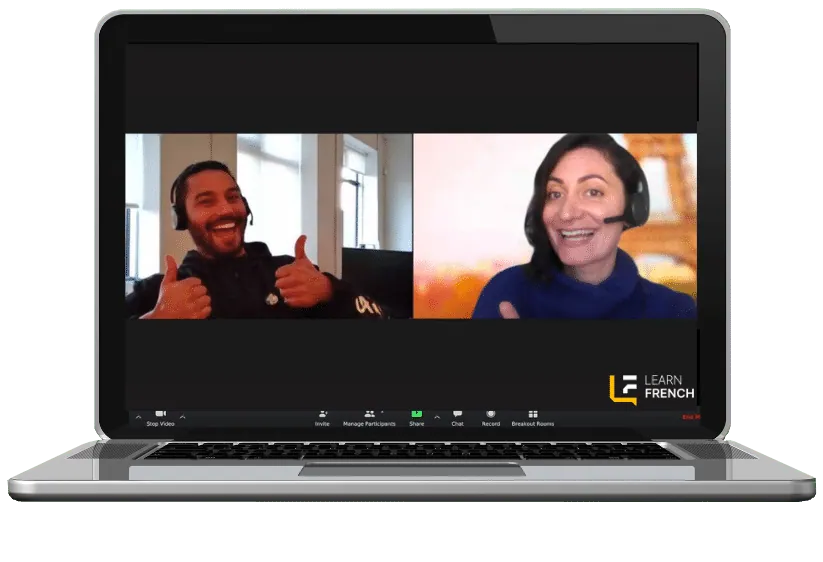
Yes, and many candidates do exactly this. It was the original question behind this guide. PR-focused French programs are delivered 100% online on Pacific Time, which suits Victoria perfectly:
- Classes are scheduled for Vancouver-time evenings and mornings, no ferry required
- You balance preparation with work and family life
- You get teachers who specialize in the immigration exams, which is rare locally
Online delivery isn't a compromise here; it's how most successful TEF candidates in BC prepare, whatever their city. Live classes with native teachers, mock exams, and speaking practice all happen over video. You sit the exam itself at an official centre on the mainland, and only when you are actually ready for it.
Victoria students in our programs join the very same live classes as Vancouver students: same native French teachers from France and Quebec, same max-14 groups, same mock exams. Learn French in Vancouver has taught 4,500+ students since 2017, and a growing number of them log in from the Island. The full picture of the delivery lives on our French classes in Victoria page.
What Do Victoria Candidates Get Wrong Most Often?
Three patterns we keep seeing from Island students, so you can skip them:
Starting with the exam instead of the level. Booking a TEF date before knowing your true level produces either a wasted exam fee or a panicked, joyless sprint. Test your level first. It's free, takes 5 minutes, and sets every other decision.
Underestimating speaking and writing. Self-study builds reading and listening well. Speaking and writing need a human on the other side. These are exactly the sections where CLB 7 is won or lost, and where structured classes with native teachers make the difference.
Treating French as an English substitute. The additional points require strong French on top of CLB 5+ English. Keep your English score valid while you build the French. The 50 points need both.
So, Is Learning French Worth It for PR in Victoria?
For most competitive candidates, yes, if you approach it with a plan. The honest checklist:
- It takes time and consistency: 12 months from zero to CLB 7, and no honest school will promise less
- It requires structured preparation: exam French is a trainable, specific skill, not general fluency
- It works best with clear PR goals: know your target CLB and your application window before you start
- The payoff is real: up to 50 bonus CRS points, access to French category draws, and a lifelong second language
When French is not worth it: if your CRS score already clears current draws comfortably, or if your application window is under 6 months away and you are starting from zero. The math simply does not fit that calendar. In every other competitive case, it is the strongest move you can make.
For the foundation stage, the French Transformation program takes beginners to conversational French in 6 months; the TEF/TCF preparation program then converts that French into exam scores. Prefer one-on-one? Private lessons fit around Island schedules.
"Bonjour! I would like to thank Noelie and the Learn French team for making it possible for me to get the sufficient result of TEF exam. The profound teaching of the clé grammar end mocking tests - that is the path :)"